Login
Login
What Is the 2290 Truck Tax?
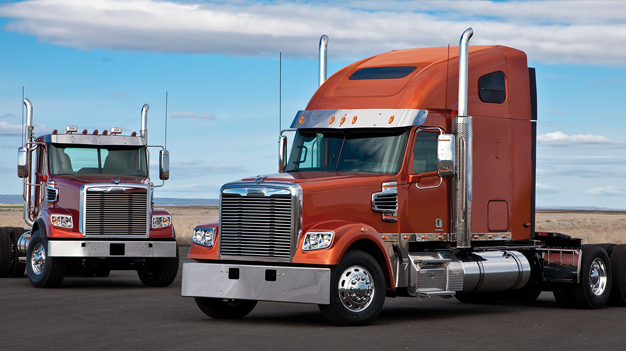
The 2290 truck tax is a yearly IRS tax you pay for operating a heavy truck at 55,000 pounds or more on public highways. If your truck meets that weight and you use it on public roads, you are required to file Form 2290 and pay the Heavy Highway Vehicle Use Tax (HVUT). Most truckers deal with this once a year, and by the time it comes back around, nobody remembers how it works. Here is the quick breakdown so you can get it done and move on.
Who Has to Pay the 2290 Truck Tax?
You need to file and pay the 2290 truck tax if:
- The vehicle used on public highways and
- It has a taxable gross weight of 55,000 pounds or more
That includes:
- Owner-operators
- Fleets
- Logging trucks (with slightly different rates)
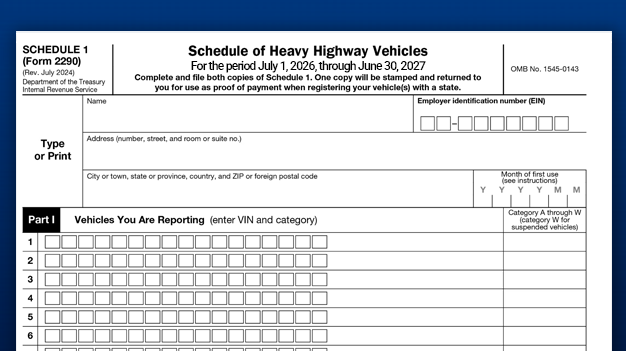
If that is you, this is not optional. You will need a stamped Schedule 1 to stay compliant and keep your registration current.
Who Does Not Have to Pay It?
There are a few exceptions, and this is where people get tripped up. You may not need to pay if:
- You drive 5,000 miles or less during the year, or 7,500 for agricultural vehicles. In that case your truck is considered suspended
- Your vehicle is not considered highway use, such as certain types of special equipment or off-road vehicles
Important: Even if you do not owe tax, you may still need to file Form 2290. This is one of the most common mistakes. People assume no tax means no filing. It does not. If your vehicle is considered suspended, you still need to file Form 2290. You just do not owe tax on it.
If your vehicle truly does not qualify as a highway vehicle, such as certain types of off-road or specialized equipment, then you may not need to file at all. This is where things can get a little gray. If you are not sure which category your truck falls into, call us and we will help you sort it out, or check out our article on Special Equipment here
If that is you, this is not optional. You will need a stamped Schedule 1 to stay compliant and keep your registration current.
When Is the 2290 Truck Tax Due?
The annual Form 2290 truck tax due date is August 31. That is the deadline each year for vehicles you had on the road starting in July. The Form 2290 tax year runs July 1 through June 30. It does not follow the calendar year or your registration cycle. This creates a lot of confusion, but it doesn’t have to confuse you. If you put a truck on the road after July, or if you are new to trucking, your deadline depends on the first month you used the vehicle. If you are not sure what your deadline is, call us and we will help you sort it out.What Happens If You Miss the Deadline?
If you miss your filing deadline, the IRS will add penalties and interest, and it adds up faster than people expect. If you want a full breakdown of how penalties are calculated and how to get them waived, see our article on 2290 penalties. https://www.2290tax.com/blog/how-to-get-2290-tax-penalties-waived/What Do You Get After Filing?The Fastest Way to Handle Your 2290 Truck Tax
If you already have your truck details, this takes about 10 minutes. Start your 2290 filing here and get your stamped Schedule 1 fast. No guessing. No back and forth with the IRS. Just get it done.Have more questions about Form 2290 filing requirements? Our team is here to help. Give us a call at (909) 596-0050, Mon–Fri 7am–5pm PST, or register for a free account and let us walk you through the process.
 Login
Login